All Categories
Featured
%20Market.webp)
Leading the Upcoming Regional Business Environment for Leaders
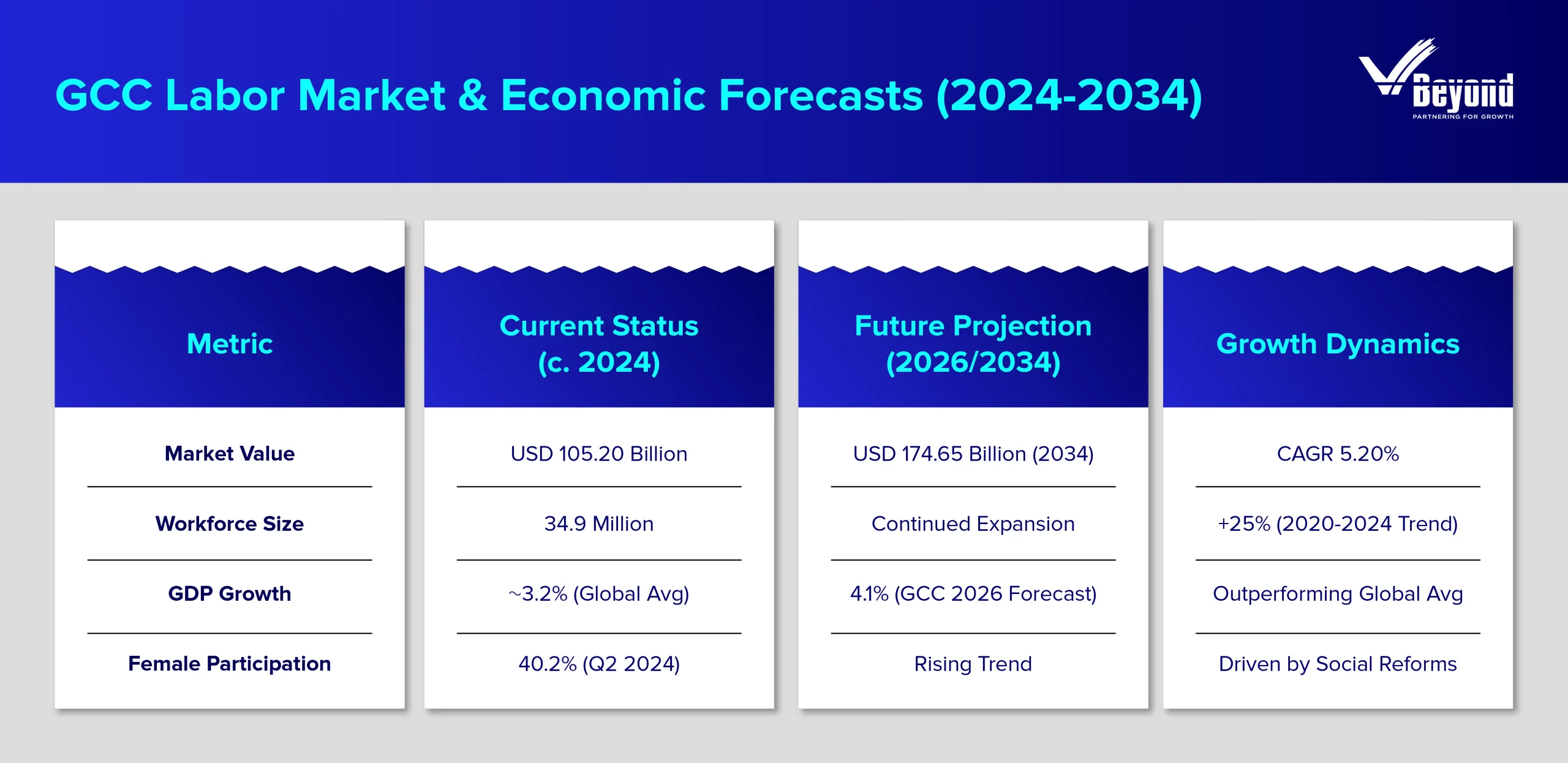
3.2 percent development in 2025, accelerating to 4.5 percent in 2026. Sees momentum improving, with GCC output growth predicted to increase from 1.7 percent in 2024 to 3.3 percent on average in 2025, showing a shift towards more positive total conditions.
Comparing Traditional Models and Future Business FrameworksThe IMF's World Economic Outlook (October 2025) jobs global growth easing to 3.1 percent in 2026, with advanced economies around 1.5 percent and emerging market and developing economies simply above 4 percent. On that contrast, a 4.44.5 percent GCC growth would put the area materially ahead of the world average and a little above (or broadly in line with) the emerging-market aggregate, strengthening the GCC's status as a relatively high-growth pocketprovided that local threat conditions remain included and reform momentum holds.
Comparing Traditional Models and Future Business FrameworksData from the GCC Statistical Center show that non-oil sectors already represent more than 73 percent of total GDP, a share that has actually continued to increase as federal governments expand financial investment in services, infrastructure, and technology. According to Oxford Economics, non-energy activity across the GCC is forecasted to grow by around 4.1 percent in 2026, supported by strong labor markets, enhancing credit conditions, and rising investment in innovation and AI-related infrastructure.
Public-sector investment and reform stay main to sustaining this trend. Policy steps focused on drawing in foreign direct investment, reducing foreign ownership guidelines, expanding capital markets, and supporting private-sector involvement continue to underpin non-oil expansion and decrease the area's direct exposure to oil price volatility. While hydrocarbons no longer dominate the growth outlook, oil incomes are expected to play a supportive function in 2026.

Latest Posts

Ways to Leverage GCC Research for 2026 Growth
Bridging Policy and Operational Excellence in the Middle East
Unlocking Process Excellence in the Industrial Landscape