All Categories
Featured
Why Analytics Shapes GCC Enterprise Vision
Table of Contents
Key obstacles consist of recognizing and handling these dangers effectively, stabilizing staff member needs with compliance, and adjusting MTC rules for safe and affordable mobility. If handled well, remote work can be a tactical benefit for multinationals, offering operational connection and access to skill. Relying on out-of-date regulations could develop liabilities, such as unanticipated tax direct exposure and compliance problems.
Daida Hadzic is Director, KPMG LLP.
Words by Kevin McKenna, Elder Consultant, EMIR Mirages frequently deceive the eye in the desert, appealing water and relief where there is none. Similarly, the Middle East, at the moment, can appear intimidating to worldwide organization leaders who wrongly take a look at it as one uniform bloc. Unlike mirages, and despite geopolitical tensions in the broader area, the Gulf Co-Operation Council (GCC) economies' potential is no illusion.
Expert Advice Regarding Managing Regional Economy Dynamics
Many regional leaders of worldwide business still have a hard time to unshackle themselves from misunderstandings and predispositions held by a global HQ that often looks at the Middle East through a narrow keyhole. Global spending plan holders' often misdirected perspectives can lead to missed chances and prevent development. With over a years of experience recommending local company leaders in the Middle East, I've seen how important it is to make the case for the area by focusing on these five easy steps.
This location also operates really differently from our domestic market, so do not expect the very same linear pathways to growth and timelines." This method needs robust preparation, clear interaction, a deep regional network and a rich understanding of the local company environment because, ultimately, you have to provide on that guaranteed development.
By resolving misunderstandings and engaging proactively, regional CEOs can unlock the area's real capacity, transforming perceived mirages into a sanctuary of chances waiting to be discovered.
Organize a session with our professionals to check out how YCP can help you in addressing your service challenges.
Likewise, concerning Israel's controversial policies of restricting humanitarian help into Gaza, the Trump administration has followed Netanyahu's lead. Israel's full blockade of Gaza from March 2 through mid-May sparked a dramatic degeneration in humanitarian conditions. In May, the Gaza Humanitarian Foundation (GHF), an Israeli- and U.S.-backed alternative to the UN help circulation system in Gaza, began operations at four distribution websites.
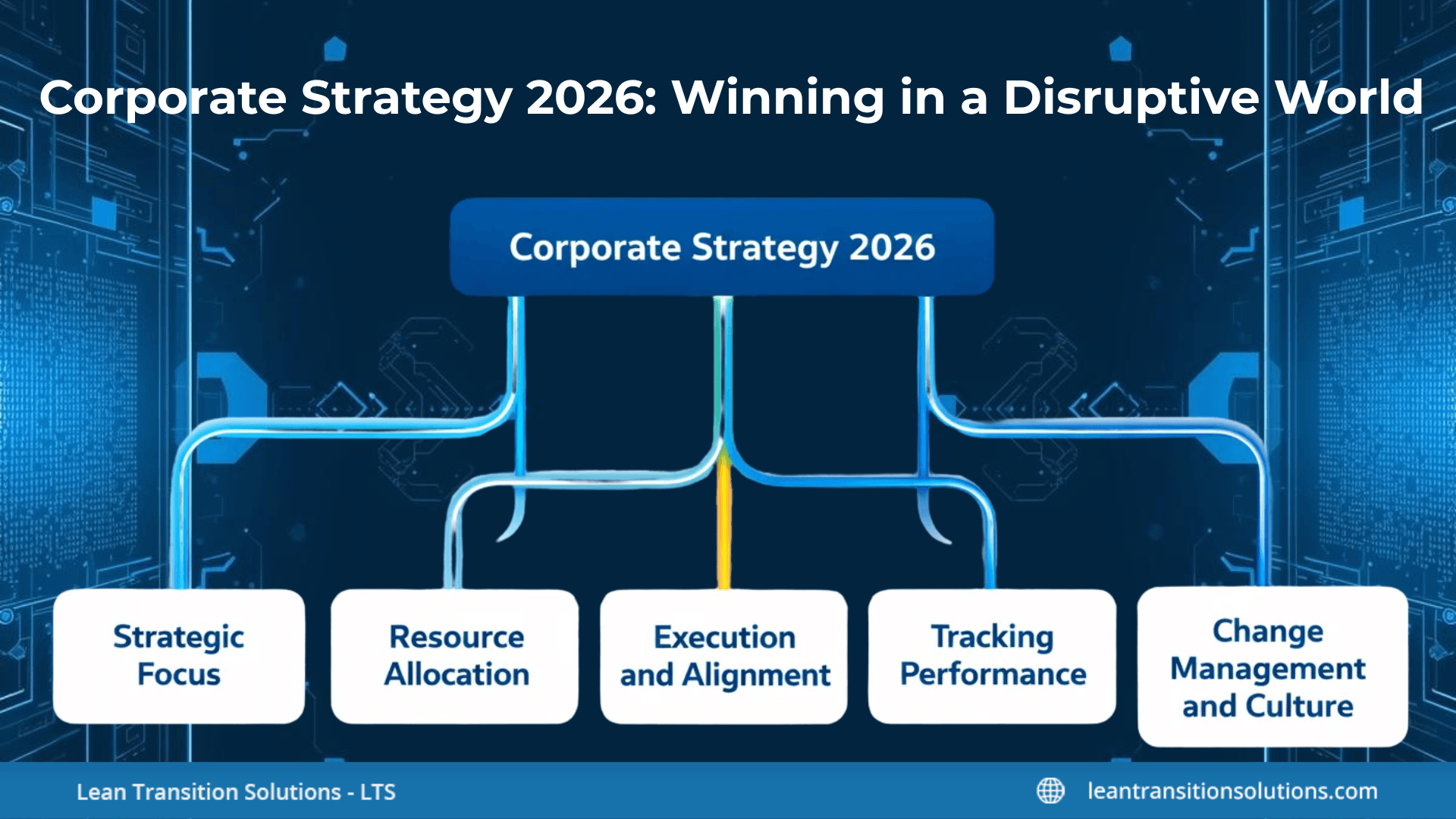
Corporate Strategy for the Changing GCC Market
Taken together, these policies show two linked elements of the Trump administration's technique to Gaza: a deference to Prime Minister Netanyahu's choices and a deprioritization of humanitarian needs. The administration has actually not pressed back on the Israeli federal government's plans to occupy Gaza City and forcibly leave Palestinians into a smaller area of Gaza.
He consequently posted on social networks that the only way to get hostages out of Gaza is when Hamas is "confronted and destroyed," apparently offering implied assistance for Israel's broadening operations. The Trump administration's complacent technique to Gaza's worsening humanitarian situationmarked by a formal declaration of starvation in parts of Gazaunderscores the destructive impact of its submission to the Israeli federal government's refusal to offer adequate aid to the besieged area. They can best be captured by unpacking how Israel and Saudi Arabiaeach with strong ties to the United Stateshave responded. Not remarkably, their responses differ substantially in all 3 cases. Their actions also show the growing disparity in between these 2 local powers as they pursue commonly varying methods for how to form the Middle East's emerging order.
Israel has actually not translated these military gains into withstanding strategic wins. For Saudi Arabiathe Arab world's existing center of gravitythe crucial for economic diversity has fueled a drive to de-escalate stress in the region, a push for post-conflict stabilization in the Levant, and aspirations to build out business and trade ties across the Middle East and beyond.
The Advantages for Strategic Efficiency in 2026
Similar to Israel, however, whether and how Saudi Arabia equates its expanding utilize into lasting strategic gains stays to be seen. Israel was highly encouraging of the U.S. strikes on Iranian nuclear facilities. For decades and across several U.S. administrations, Prime Minister Netanyahu looked for U.S. assistance for and involvement in strikes on Iranian nuclear facilities.
Moving forward, Netanyahu will seek to keep U.S. assistance, specifically if Iran starts to restore its ballistic rocket toolbox or restart enrichment. Israel has actually explained that it will strike Iran againideally with U.S. supportin either scenario. Missing a clear U.S. "red light" opposing more Israeli military intervention in Iran, perhaps coupled with a U.S.Increasingly, the Gulf views Israel, not Iran, as the main threat to regional stability. Moving forward, Riyadh will push hard for a diplomatic resolution to Iran's conflict with the United States and Israel. While Saudi Arabia likely is heartened by Iran's weakened position, it views with alarm the possibility of deepening interstate dispute in between Israel and Iran.

Latest Posts

Ways to Leverage GCC Research for 2026 Growth

Bridging Policy and Operational Excellence in the Middle East
Unlocking Process Excellence in the Industrial Landscape